
October 20, 2025 | Brain Injuries
All brain injuries are cause for concern, but anyone who experiences repeated instances of this kind of trauma can end up struggling with serious health consequences. One study revealed that as many as 40% of contact sport athletes who died before 30 had a condition called chronic traumatic encephalopathy (CTE). But what is CTE, and how can it impact someone’s life?
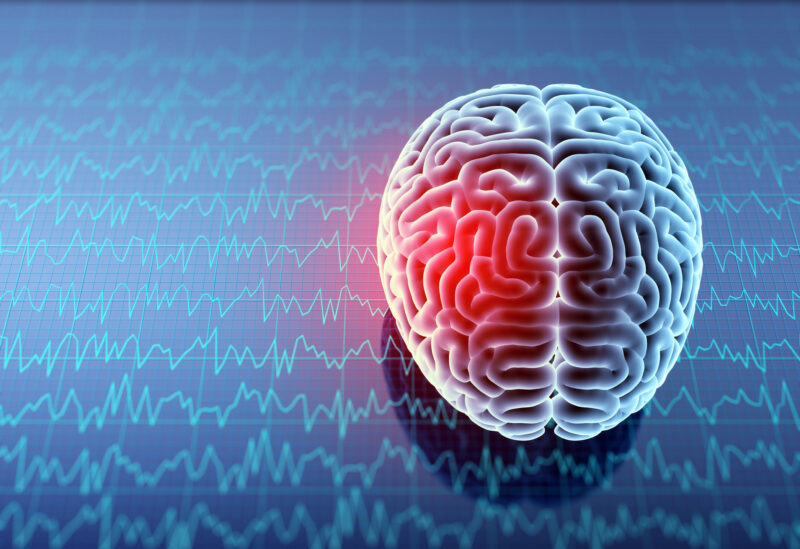
CTE is a degenerative brain condition, meaning it gets worse with time. It generally occurs in people who suffer repeated head injuries, resulting in the death of nerve cells in the brain. This loss of nerves can lead to behavioral and cognitive changes.
Here’s everything you need to know about this serious condition and whether a loved one who has developed it might be able to begin a personal injury claim against the responsible parties in Florida.
What Are the Symptoms of CTE?
The only way to accurately diagnose CTE is after death, but there are signs that can signal this condition before that point, too.
Common CTE symptoms include:
- Memory loss
- Aggression
- Trouble problem-solving
- Trouble making decisions
- Depression
- Anxiety
- Mood swings
- Balance problems
- Walking problems
- Impulsive behavior
- Trouble with speech
- Shaking
The symptoms don’t tend to appear right after suffering a head injury. They sometimes take years to develop, and they do so gradually.
Who Is at Risk of Developing CTE?
People who play contact sports like football or hockey, or those who are in active military services, are much more at risk of suffering CTE, but even suffering second impact syndrome in a car accident can cause CTE. Second impact syndrome occurs when you hit your head again before the first injury can fully heal.
Not everyone who experiences multiple concussions goes on to develop CTE, but those who have CTE have had repeated head trauma. Although it’s not fully clear why CTE develops, there is evidence that shows affected people have a buildup of a protein called tau around brain blood vessels.
With CTE, some of the brain areas are slowly wasting away because of the lack of electrical impulses that cells need to continue working.
Are There Treatments for CTE?
Currently, there is no way to completely reverse this brain damage, and medical professionals can’t directly treat CTE. What they can offer, however, is ways of managing the condition. This can mean participating in ongoing physical therapy sessions to address walking or balance issues.
Your loved one can also benefit from occupational therapy to help them learn how to manage daily tasks with the condition, as well as speech therapy to assist with any slurring. Cognitive-behavioral therapy, too, is essential. This type of talk therapy helps your loved one to accept what they’re going through, allowing them to better manage their emotions.
What Legal Options Are Available for CTE Injuries?
If your loved one has developed CTE, it’s likely that they will need medical assistance and even in-home care at some point. These are significant expenses. If the head trauma that led your loved one to develop CTE occurred because of another party’s conduct, it may be possible to file a claim and obtain compensation.
But who is the liable party? If the plaintiff has CTE because of repeated physical abuse, the perpetrator can be sued, but liability is not as clear when it’s an athlete who suffers these injuries.
In some cases, it’s possible to sue institutions like schools and leagues, as well as coaches. Another potential defendant could be the manufacturer of safety equipment. If your loved one wore a helmet that failed to protect them as the manufacturer claimed, for example, the latter could face a product liability claim.
None of these options is simple to pursue in Florida, however. It’s essential that you hire an experienced attorney to protect your loved one’s rights.
Damages in CTE Injury Claims
Understanding the exact value of compensation that your loved one may be able to receive requires help from a skilled attorney. They will be able to calculate a fair amount that can then be negotiated with insurance companies.
As in many other types of personal injury cases, there are typically two types of compensatory damages available in CTE cases: economic and non-economic damages.
Examples of Economic Damages in CTE Cases
CTE injuries usually require a significant amount of medical care. Economic damages help to address these costs. Through this compensation, your loved one can receive assistance with hospital stays, nursing care, occupational therapy, and all other medical needs they may have.
They will likely not be able to work as their condition deteriorates. Economic damages can cover lost wages, too, along with your loved one’s lost earning potential.
Examples of Non-Economic Damages in CTE Cases
Florida law recognizes that the losses you and your loved one have suffered are not just financial, however. Non-economic damages can compensate your family for the physical and emotional distress your loved one experienced due to their accident.
It’s also possible to receive compensation for their loss of enjoyment of life if they can’t do the things they loved because of the injury.
Your family may also be entitled to loss of consortium. These damages address the loss of companionship and support that close loved ones may experience as a result of the condition’s progression.
Call Our St. Petersburg Brain Injury Lawyers at Graves Thomas Injury Law Group for a Free Consultation
If a loved one has developed CTE and can’t advocate for themselves, they depend on you to help them fight for the compensation they deserve. It’s vital that you hire an attorney as quickly as you can. In Florida, these are complex cases that often involve schools or sports leagues with serious legal support.
With an attorney on your side, you can have the best chance of holding those responsible for your loved one’s suffering accountable. Call the St. Petersburg brain injury lawyers at Graves Thomas Injury Law Group for a free consultation about your situation today.
If you’ve been injured in an accident, please contact our experienced brain injury lawyers at Graves Thomas Injury Law Group to schedule a free consultation today. We have three convenient locations in Florida, including Vero Beach, St. Petersburg, and Port St. Lucie.
Graves Thomas Injury Law Group – Vero Beach
1745 20th St, Ste 202
Vero Beach, FL 32960
(772) 758-5735
Graves Thomas Injury Law Group – St. Petersburg
200 Central Ave Suite 304
St. Petersburg, FL 33701
(772) 569-8155
Graves Thomas Injury Law Group – Port St. Lucie
10805 SW Tradition Square Unit 024A
Port St. Lucie, FL 34987
(772) 617-8814
